













![CyvenSmart USB Type C Cable 1ft, [2 Pack] USB A 2.0 to USB-C Fast Charger Durable TPE Cord Compatible with Samsung Galaxy A10/A20/A51/S10/S9/S8 Plus/Note 9/8,LG V50 V40 G8 G7 Thinq-Black](https://m.media-amazon.com/images/I/71fmLOkHL9L._AC_SX569_.jpg)





Are electronic training collars safe for dogs?
Yes, when used correctly, electronic training collars are safe for dogs. It is important to follow the manufacturer's instructions and ensure that the collar fits properly. Additionally, using positive reinforcement techniques alongside the collar can further ensure your dog's safety and well-being.
Can electronic training collars be used on all dog breeds?
Electronic training collars can be used on most dog breeds. However, it is essential to consider the size and weight specifications of the collar to ensure it is suitable for your specific breed. Some collars may have adjustable settings for different breeds.
How long does it take to train a dog using an electronic training collar?
The duration of training using an electronic collar can vary depending on the dog's temperament, learning ability, and the specific training goals. Consistency and patience are key factors in achieving effective results. Some dogs may show progress within a few days, while others may require several weeks of training.
Can electronic training collars be used for aggressive dogs?
Electronic training collars can be used for addressing certain behavioral issues, including aggression, when used responsibly and under professional guidance. It is important to determine the underlying causes of aggression and implement appropriate training techniques alongside the collar.
Do electronic training collars cause pain to dogs?
Electronic training collars are designed to provide mild and adjustable stimulation, which is not intended to cause pain to dogs. The stimulation level can be customized based on the dog's sensitivity, ensuring a safe and humane training experience.
Are there alternatives to electronic training collars?
Yes, there are alternative training methods to electronic training collars. Positive reinforcement training, clicker training, and reward-based techniques can also be effective in teaching dogs desired behaviors. However, electronic training collars offer additional control and remote communication, which can be beneficial for specific training purposes.
Can electronic training collars be used for puppies?
Electronic training collars can be used for puppies, but it is crucial to ensure that the collar is suitable for their size and age. Start with lower stimulation levels and introduce the collar gradually to avoid overwhelming the puppy. Consult a veterinarian or professional dog trainer for guidance.
Are there any legal restrictions or guidelines regarding the use of electronic training collars?
The regulations regarding the use of electronic training collars may vary depending on your country or region. It is advisable to familiarize yourself with the local laws and guidelines to ensure compliance. Additionally, ensure ethical and responsible use of the collars based on their intended purpose.
€ 57
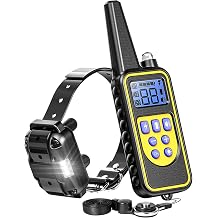
Petrainer Training Collar for Dogs - Waterproof Rechargeable Dog Training E-Collar with 3 Safe Correction Remote Training Modes, Static, Vibration, Beep for Dogs Small, Medium, Large
Read More.Casey Roberts
The device arrived exactly as described. The dog trainer is very easy to use, and has a great battery life. I had purchased a static correction collar 10 yrs ago for a different dog, and that one cost 3x as much as this one for a single collar/remote, and required coin batteries as well. I really appreciate that this training kit not only allows me to train two dogs, but also uses rechargeable batteries. My only complain is actually with the strap for the collar; it is of a cheaper material, and does not seem as durable as the collar I had used before (the collar for the older one was braided nylon). However, this is just a minor ding, as the straps are totally replaceable, where the collar I had used before was not (it contained the radio antenna), and again, this collar is a steal at the price I paid ($43).rnrnA very flexible tool for training your dog. The older dog did not need more than a day with the collar before she realized that we were serious about training; My 1-yr-old Pit Bull/Labrador mix, however, needs more time under collar, but has learned very quickly that the different settings are an escalation, so when he hears the beep, he settles down; I rarely have to use the static correction setting. I do like the fact that this collar has a great range (I can correct bad behavior from anywhere in my townhouse), and I really appreciate the vibrate setting, as it allows me to properly escalate feedback prior to introducing the static correction.rnrnIf you have never used a static correction collar, the goal is to get your dog to obey the command before you use the static (shock) setting. You should give the command and use the beep if they do not immediately comply. If they still do not comply after the beep, use the vibrate setting; on this device the intensity of the vibrate setting is adjustable to levels between 1-100, like the static setting. For the static setting, always start low, and incrementally increase the intensity until either your dog stops the offending behavior, or you notice a spasm, whichever comes first.rnrnPlease think of your dog when you use a collar like this; they are extremely effective and humane training tools in the right hands. To not be aware and compassionate when using a tool like a static correction collar is just cruel. "Shock collars," muzzles and "choke chains" are examples of effective dog training tools that when used properly can be great tools, or just inhumane if used without care or forethought.